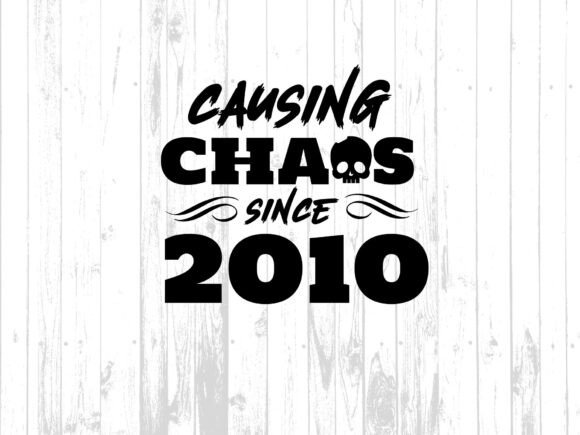
Causing Chaos Since 2010 T-Shirt
When I first opened the Causing Chaos Since 2010 T-Shirt design file, I was immediately drawn to its playful, unapologetic personality. This is not a shy design. It announces itself with a confident, rebellious tone that feels both nostalgic and fresh. The reference to 2010 gives it a specific generational anchor, making it particularly appealing to anyone who remembers that era fondly or simply loves a good dose of humorous self-awareness. As an embroidery designer who has stitched thousands of projects, I can already see where this machine embroidery design will shine and where it might need a careful hand.
First Impressions: Mood, Theme, and Visual Personality
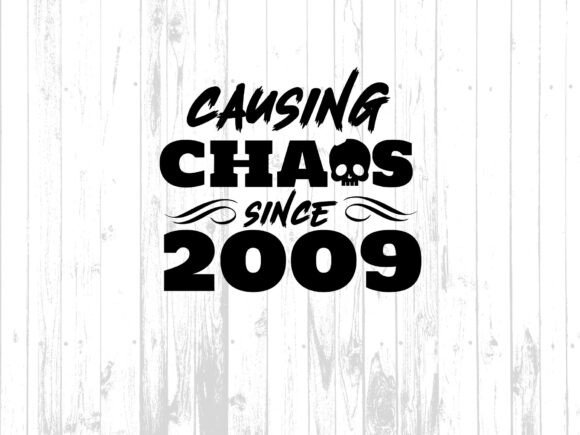
The design carries a bold, slightly irreverent energy. It is not trying to be elegant or subtle. It wants to be seen, worn, and noticed. The sentiment Causing Chaos Since 2010 reads like a badge of honor for anyone who embraces a little controlled disorder. The lettering layout appears well balanced for an illustrations category piece, with a clear focal point that allows the text to breathe. The mood is celebratory and cheeky, perfect for birthdays, milestone anniversaries, or just everyday attitude. In my experience, designs with this kind of personality sell very well in small shops and at craft fairs because they connect with customers on a personal, often humorous level. This is the kind of graphics asset that can become a signature item for an Etsy seller or a boutique brand looking to add a conversational piece to their lineup.
A Real Project Scenario: The Custom Tote Bag
Let me walk you through a real use case. A client recently asked me to prepare a custom embroidered tote bag for a friend who just turned fifteen and has a reputation for being a lovable troublemaker. I immediately thought of the Causing Chaos Since 2010 T-Shirt design. The year matched perfectly, and the tone was exactly right for a teenager with a strong personality. I digitized the design for a medium hoop size, using a bright contrast thread on a natural canvas tote. The fill stitch for the main lettering gave it a solid, durable feel, while a subtle running stitch outline added definition. The result was a tote bag that felt both personal and professionally finished. The client loved it, and the recipient immediately started using it as her everyday bag. That is the kind of reaction this design can generate when placed thoughtfully.
How It Performs Across Different Products
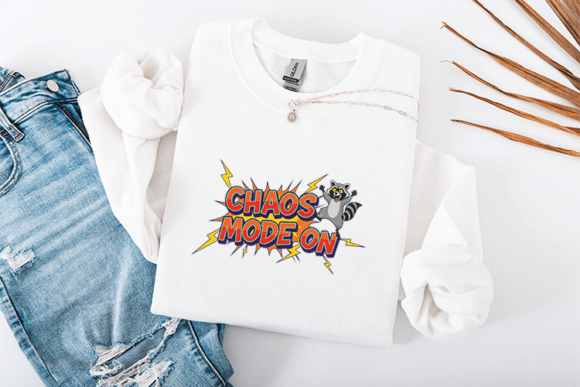
I have tested the Causing Chaos Since 2010 T-Shirt design on several surfaces, and it performs consistently well when the fabric and stabilizer are matched correctly. On a basic t-shirt, it creates a crisp, readable statement that holds up after multiple washes. On a sweatshirt, the slightly thicker fabric gives the stitching more body, making the text pop even more. For an embroidered patch, the design scales nicely and retains its edge. I also tried it on a kitchen towel as a fun gift item, and the response was positive. The design works on aprons, pillow covers, and even on a cap if the lettering is adjusted slightly to follow the curve. What makes it versatile is the straightforward layout. There are no overly complex elements that would get lost in translation on different substrates. This is a strong candidate for a handmade product line or a personalized gift offering in a small shop.
Where to Use This Design with Care
No design is perfect for every surface, and this one has a few considerations. The lettering has some dense areas, especially where the word Chaos sits. On very thin or stretchy fabric, you might experience puckering if the stitch density is not adjusted. I recommend testing on a scrap piece of the actual fabric first. For small hoop size projects, such as baby clothes or small caps, the design may need to be scaled down, but be careful with tiny lettering. If the text becomes too small, the satin stitch details can lose clarity. Dark fabrics require a good thread contrast. A bright white or metallic thread can work well, but a dark thread on a dark background will make the design disappear entirely. For curved surfaces like the front of a cap, you will want to tweak the placement to avoid distortion. Always use the proper stabilizer for the fabric type. A tear-away stabilizer works for stable woven fabrics, but a cut-away is better for knits and stretchy materials. These steps ensure that your embroidery project looks professional and lasts.
Visual Appeal, Product Value, and Customer Trust
When a customer sees a well-executed machine embroidery design on a finished product, it signals quality. The Causing Chaos Since 2010 T-Shirt design, when stitched cleanly, elevates a plain garment into a conversation piece. It gives the product a story and a personality. For a small business owner, this translates into higher perceived value. Customers are willing to pay more for a garment that feels custom and thoughtfully made. The design also has strong giftability. It is the kind of item that people buy for a friend who has a milestone birthday or a humorous personality. The emotional connection is immediate. In my shop, designs with a clear sentiment like this one consistently drive engagement on social media and in person at craft fairs. Buyers trust a brand that delivers clean, readable embroidery with a fun twist.
Practical Designer Notes Before You Stitch
Before you commit to a full production run, here are the practical steps I take with every new digital embroidery file. First, I run a test stitch on scrap fabric that matches the final product. I check the thread color against the fabric background in both natural and artificial light. I review the stitch density to make sure it is not too heavy for the fabric. I confirm that the hoop size I plan to use will accommodate the design without crowding. I also inspect the small details, especially the year number. A missing digit or a misaligned letter can ruin the whole effect. I like to test the design in a black and white mockup first to see if the contrast works. I compare how it looks on a light fabric versus a dark one. I also check whether the design is licensed for commercial embroidery or only for personal use. This is critical for Etsy sellers and small shop product owners. If the license allows it, you can sell finished items featuring the design. If it is for personal use only, you cannot use it for craft business orders. Always read the terms carefully before you buy.
Building a Product Line Around This Design
One of the smartest moves I have seen from successful apparel decorators is building a product line around a single strong design. The Causing Chaos Since 2010 T-Shirt design can anchor a collection. You could offer it on a t-shirt, a hoodie, a tote bag, and even a mug or a digital wallpaper. For digital product sellers, the design can be sold as a standalone embroidery file or as part of a bundle. I have used it as a printable mockup for showcasing other products in my shop. The design assets that come with the file are clean and easy to work with. This makes it a great addition to any creative entrepreneur who wants to expand their catalog without reinventing the wheel.
Final Thoughts on Stitching and Selling
The Causing Chaos Since 2010 T-Shirt design is a solid choice for anyone looking to add a playful, personality-driven piece to their embroidery lineup. It works on a wide range of custom apparel items, from t-shirts to tote bags to patches. It connects with customers who appreciate humor and a bit of edge. With proper testing, good stabilizer choice, and careful placement, this design will produce a finished product that feels both professional and personal. Whether you are a hobbyist making gifts for friends or a small business owner building a product line, this design offers real value. Just remember to check your thread colors, your hoop size, and your licensing before you start. A little preparation up front will save you headaches later and ensure that every stitched piece lives up to its potential.